Ticking Clocks
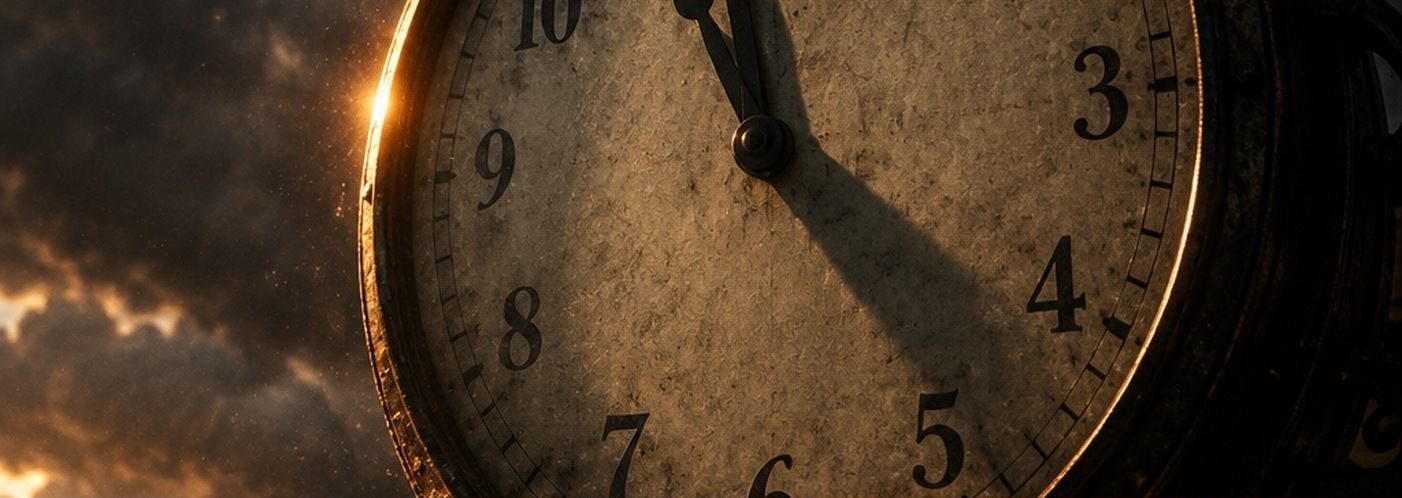
A deadline with no consequence is just a calendar.
A ticking clock is a deadline the audience can count. Not a mood. A number that gets smaller while they watch.
High Noon is the purest one anybody ever built. Carl Foreman set the whole movie in real time and put the train at noon, so every shot of a clock face is a shot of the story. The plot is a man walking around a town asking for help, which on paper is almost nothing. The clock is what makes it unbearable.
Apollo 13 runs the same play with a different number. William Broyles Jr. and Al Reinert give you carbon dioxide rising and a count of hours left, and suddenly a group of engineers at a table with a box of spare parts is the tensest sequence in the movie. Nobody throws a punch. The clock does the work.
Three things make a clock work. Somebody says the number out loud early, so the audience keeps score. It shortens on screen and not off. And missing it costs something you already made them care about.
Go look at your own second act. When it sags it usually isn't because the scenes are weak. It's because nothing is running out. Give your character a number and let the audience watch it drop, and half the pacing problem solves itself without one new scene.