Intercutting Scenes
Intercutting isn't a transition. It's an argument.
Intercutting is the cheapest suspense there is, and most drafts use it as a transition instead of a weapon. The formatting is the easy part. You've seen INTERCUT on a page, usually on a phone call. It saves re-slugging every time the speaker changes. That's just bookkeeping.
The craft is the other thing. Intercutting takes two scenes in different rooms and cuts them together so they play as one. Done right, it makes a third thing that's in neither room.
The Godfather. Mario Puzo and Francis Ford Coppola wrote it, Coppola directed. A baby is baptized and Michael Corleone renounces Satan while his men murder the heads of the Five Families. Neither half is remarkable alone. A christening is a christening. A hit is a hit. Cut together they make an argument about a man, and nobody says it out loud.
The other use is lying to the audience. The Silence of the Lambs, written by Ted Tally, directed by Jonathan Demme. The FBI is at a door in Illinois. Clarice Starling is at a door in Ohio. The cut teaches you it's the same door. It isn't, and she's alone. It works because the audience assembles whatever you put next to each other. They can't help it. Which connection they build is yours to choose.
Ask yourself three questions first. What's the third meaning. If cutting them together doesn't make something neither scene has alone, you don't have an intercut. You have two scenes and impatience.
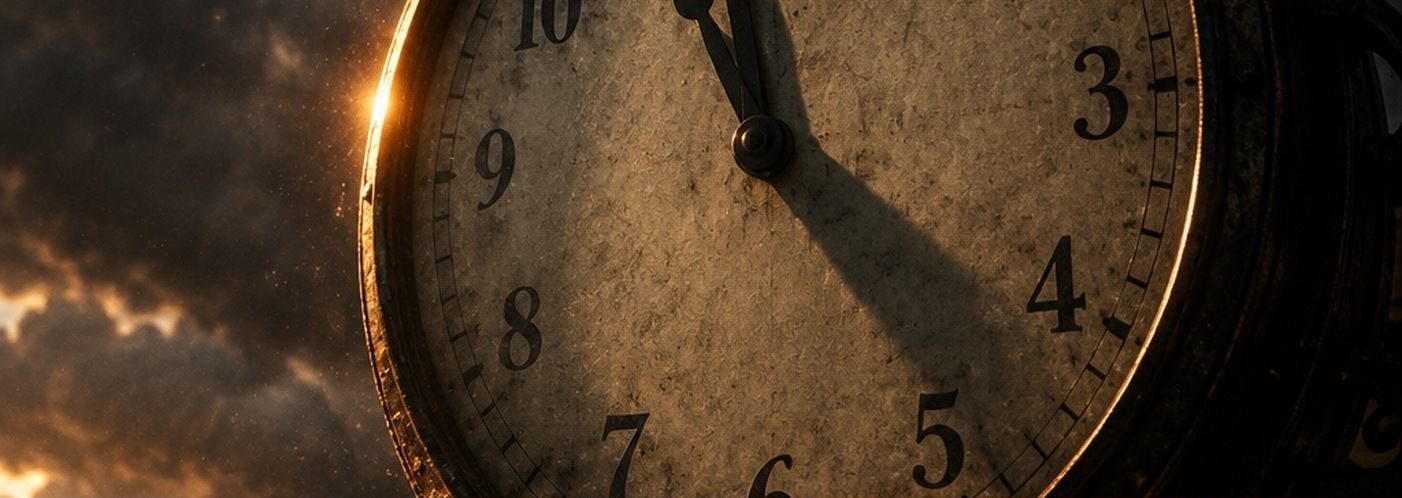
Is there one clock. Parallel action needs a shared event. If one thread could happen next Tuesday and nothing changes, the reader feels it and the tension leaks. Where's the rhythm going. Intercuts speed up. The pieces get shorter as you go, so the last beats land on top of each other. If the chunks are all one size, you built a list.
And write it so a reader feels it. Short paragraphs. Hard cuts. Let the white space do what the editor will do anyway. Go find the spot where you cut away to relieve tension. That's where the intercut wanted to be. Two scenes in a row are two scenes. Two scenes on top of each other are an argument.